మహేష్ బాబు ఎందుకు దేశంలోనే అత్యంత బహుముఖ నటుడు?
2003 ఏప్రిల్లో, వేసవి సెలవుల్లో, రాజమండ్రిలోని స్వామి సినిమా హాల్లోకి మా అన్నయ్యతో, బావతో కలిసి అడుగుపెట్టినప్పుడు నాకు ఎనిమిదేళ్ళు. సినిమా విడుదలై మూడు నెలలైనా హౌస్ఫుల్. ఆ సినిమా ఒక్కడు.
బహుముఖం అంటే ఏమిటో నాకు తెలియదు. నటనలో సంయమనం అంటే అసలు తెలియదు. తెర మీద ఒక పూర్తి స్థాయి యాక్షన్ ఘట్టం నడుస్తోందని మాత్రం తెలుసు. ఓబుల్ రెడ్డి మనుషులు అజయ్ను చుట్టుముట్టి తరుముతున్నారు. కత్తులు, రక్తం, పరుగు. అజయ్ స్వప్నను వెనక్కి నెట్టి, తన శరీరాన్ని అడ్డం పెట్టి, ఆమెవైపు తిరిగి ఒక్క మాట అన్నాడు:
నేను మీ ఊరు కబడ్డీ ఆడటానికి వచ్చాను.
కళ్ళలో నిప్పు, దవడ బిగుసుకుని, ఊపిరి బరువెక్కి, ఆ మాట పిడికిలి బిగించినంత గట్టిగా వస్తుంది. మహేష్ దాన్ని యుద్ధ నినాదంలా విసిరాడు. ఒక్క వాక్యంలో ప్రేమ, పౌరుషం, ఆవేశం, వీరత్వం, అన్నీ ఒకేసారి.
ఆ తరువాత కట్. రౌడీలు ఇంకా అతని కోసం వెతుకుతూనే ఉన్నారు. వినిపించేది అతని ఊపిరి మాత్రమే. మ్యూజిక్ లేదు, మాట లేదు, కదలిక లేదు. చూపు ఒక్కటే. మొత్తం సీన్ ఆ ఒక్క ముఖం మీద నిలబడి ఉంది.
ఇరవై మూడేళ్ళ తర్వాత కూడా, ఆ డైలాగ్ నుంచి ఆ ఊపిరి దాకా ఉన్న ఆ కట్, తెలుగు సినిమాలో నేను చూసిన అత్యంత శుభ్రమైన నటన. అంతా మొదలైంది ఆ రోజే.
ఆ పోరాటం ముగిశాక సాహసం శ్వాసగా సాగిపో పాట మొదలవుతుంది. ఇప్పటికీ అది కొత్తగానే అనిపిస్తుంది.
ఇది రివ్యూ కాదు. అప్పటి నుంచి ఆయనను చూస్తూ వచ్చిన ఒక అభిమాని రాసుకున్న దస్తావేజు. ఎవరితోనూ పోల్చడం లేదు. ఆయన ఈ దేశంలోనే అత్యంత బహుముఖ నటుడు అని నేను ఎందుకు నమ్ముతానో, వారణాసి గురించి నేను ఎందుకు నిద్రపోవడం లేదో, రాసి పెట్టుకోవాలనిపించింది. అంతే.
తెరను నింపే మనిషి
మహేష్ గురించి ముందు అర్థం చేసుకోవాల్సింది ఇది. ఆయనకు చుట్టూ పెద్ద తారాగణం అక్కర్లేదు. వెనక ఒక పెద్ద పేరు నిలబడాల్సిన అవసరం లేదు. ఒక్కడే తెరను నింపగల ఆరా ఆయనది.
2003లో స్వామి సినిమా హాల్లో నేను చూసింది అదే. ఆ కబడ్డీ కోర్టు కట్లో సీన్ మొత్తం ఆయన ముఖం మీద నిలబడింది. వెనక సంగీతం లేదు, పక్కన ఇంకో నటుడు లేడు. ఒక్క ముఖం, ఒక్క ఊపిరి, సీన్ మొత్తం. అది చిన్న విషయం కాదు.
అసలు ఒక్కడు సినిమా మొత్తం ఆయనే. అందుకే ఆ సినిమాకు మొదట అనుకున్న పేరు అతడే ఆమె సైన్యం. ఒక్క మనిషి, ఒక సైన్యం. మణిశర్మ సంగీతం ఉచ్ఛస్థాయిలో ఉంటే, తెర మీద ఆ మనిషి దాన్ని మోశాడు.
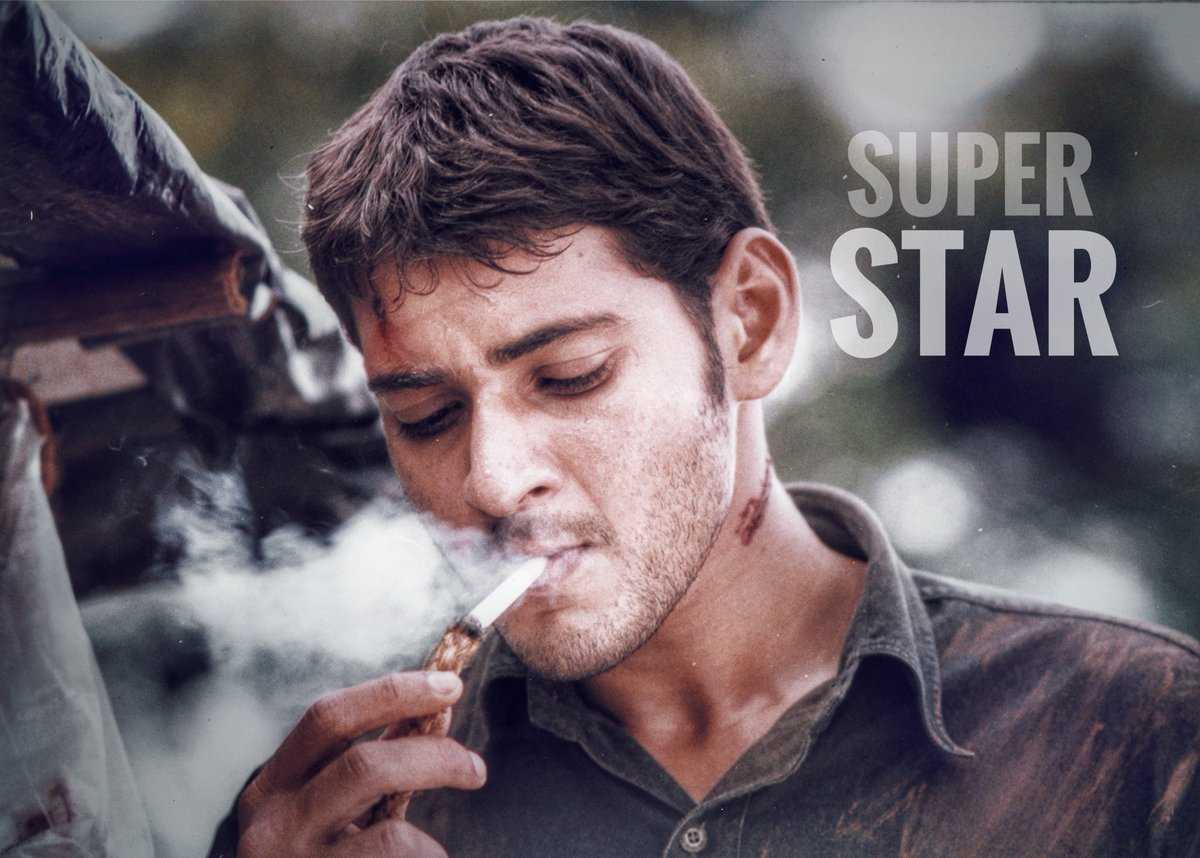
మనం మహేష్ని చూడం
ఇక్కడ ఒక సూక్ష్మం ఉంది. చాలామంది బహుముఖం అంటే రకరకాల వేషాలు అనుకుంటారు. అది సగం మాత్రమే.
మహేష్ సినిమా చూస్తున్నప్పుడు మనం తెర మీద మహేష్ని చూడం. ఆ పాత్రను చూస్తాం. అజయ్ని చూస్తాం. పండుని, కృష్ణ మనోహర్ ఐపీఎస్ని చూస్తాం. అల్లూరి సీతారామరాజు అనే ట్యాక్సీ డ్రైవర్ని చూస్తాం. గౌతమ్ని, రిషిని చూస్తాం. ప్రతి పాత్రా ఆ దర్శకుడు ఊహించిన దానికి సరిగ్గా సరిపోతుంది. ఎక్కడా కొంచెం ఎక్కువ నటన లేదు, ఎక్కడా కొంచెం తక్కువ నటన లేదు. అచ్చం ఆ కొలతకే.
హరీష్ శంకర్ గారు దీన్ని ఒక్క మాటలో చెప్పారు.
మహేష్ పాదరసం. చాలా కచ్చితంగా చెప్పాలంటే, ఒక దర్శకుడి అద్దం.
పాదరసం ఏ పాత్రలో పోస్తే ఆ ఆకారం తీసుకుంటుంది. అద్దం దర్శకుడికి అతను అనుకున్నదాన్ని ఉన్నదున్నట్టు చూపిస్తుంది. బహుముఖం అంటే అదే. రకరకాల వేషాలు కాదు, ప్రతి దర్శకుడి దృష్టికి అచ్చం సరిపోయేలా తనను తాను మాయం చేసుకోవడం.
కథ బాగుంటే ఆయన దాని ప్రాణం
కథ బాగుంటే మహేష్ దానికి ప్రాణం లాంటివాడు. కానీ కథ ఓడిపోయినప్పుడు కూడా, ఆ సినిమాను తన భుజాల మీద మోస్తాడు.
ఒక్కసారి ఆలోచించండి. ఎన్నో గొప్ప కథలు ఘోరంగా ఓడిపోవడం చూశాం. కానీ ఓడిపోయిన ఒక కథను మనం ఎప్పుడూ కల్ట్ క్లాసిక్ అనలేదు, ఒక్క మహేష్ సినిమాలు తప్ప. ఖలేజా, 1 నేనొక్కడినే, రెండూ విడుదలప్పుడు ఆడలేదు. ఇవాళ్టికీ ఆ సినిమాల గురించి మాట్లాడుకుంటున్నది అందులోని నటన వల్లే.
అతడు, ఖలేజా, గుంటూరు కారం, మూడు సినిమాలు తీసిన త్రివిక్రమ్ శ్రీనివాస్ గారు ఆయన గురించి ఒక్క మాట అన్నారు.
సినిమా ఫెయిల్ అవ్వొచ్చు. మహేష్ ఫెయిల్ అవ్వడు.
దర్శకులు చెప్పే మాట
ఇది నా అభిమానం చెప్పే మాట కాదు. ఆయనతో పని చేసిన దర్శకులు చెప్పే మాట.
ఖలేజా గురించి త్రివిక్రమ్ గారు ఒక ఇంటర్వ్యూలో చెప్పారు. ఒక సీన్లో ముఖం మీద గర్వం కనిపించకూడదు, చిరునవ్వు ఉండకూడదు, బాధ కనిపించకూడదు, అలా అని ఏమీ లేకుండా ఉండకూడదు. అది ఎలా తీయాలో దర్శకుడికే అర్థం కాలేదు. మహేష్ ఒకటి కాదు, రెండు కాదు, ఎన్నో వేరియేషన్లు చేసి చూపించాడు. ఒక చిన్న సీన్కు పది పదిహేను వేరియేషన్లు ఇవ్వగలిగే నటుడు ఒక్కడే.
ఇలాంటివి సాధారణంగా బయటికి రావు. ఎందుకంటే ఇవి తెర వెనుక జరిగేవి. చాలామంది అనుకుంటారు, ఇది చాలామంది హీరోలు చేస్తారని. లేదు.
ఇంకో వైపు ఆయన క్రమశిక్షణ. ఆయన షూటింగ్లు ఎంత వేగంగా అయిపోతాయో చూసి అందరూ ఆశ్చర్యపోతారు. కారణం, ఆయన దర్శకుడు ఏం కావాలో సరిగ్గా అదే ఇస్తాడు. తేజ గారు ఒక ఇంటర్వ్యూలో చెప్పారు, షాట్లు సింగిల్ టేక్లో ఓకే అయిపోయేవని. ఎందుకంటే ఆయన వింటాడు, దర్శకుడికి కావలసింది అచ్చం అలాగే చేస్తాడు. మంచి దర్శకుడికి అదొక వరం. శంకర్ గారు అదే అంటారు, మహేష్ని తెర మీద చూడటం ఒక ఆనందం అని.
ఆయన ఇక్కడే ఉండిపోయాడు
పాన్ ఇండియా హీరోలంతా బొంబాయి వైపు చూస్తూ, హిందీ నేర్చుకుంటూ, పెద్ద మార్కెట్ వెంట పరుగెడుతున్న రోజుల్లో మహేష్ వెళ్ళలేదు. కెరీర్ మొత్తంలో ఒక్క హిందీ సినిమా చేయలేదు. తెలుగులోనే ఉండిపోయాడు. పని బాగుంటే అదే ప్రయాణిస్తుందని నమ్మాడు.
అదే జరిగింది. బాహుబలి తలుపు తీసింది. ఆర్ఆర్ఆర్ ఆ తలుపు గుండా నడిచింది. పుష్ప దాన్ని బార్లా తెరిచింది. భారత సినిమా గురుత్వ కేంద్రం తెలుగులోకి వచ్చింది, మహేష్ కదలకుండానే. వెళ్ళడం ఒక ధైర్యం. ఉండిపోవడం ఇంకో రకం ధైర్యం. దాని గురించి మనం తగినంత మాట్లాడుకోం.
వారణాసి
ఇక వారణాసి.
రాజమౌళి గారిది ఒక పిచ్చి పట్టుదల. ఎంత పర్ఫెక్షనిస్ట్ అంటే, ఒక్క షాట్ కోసం వారాల తరబడి ఖర్చు చేసేంత. అంత పర్ఫెక్షనిస్ట్కు హీరో దొరకడం సులభం కాదు.
ఆయన రాసిన కథలో హీరో దగ్గర నుంచి గరిష్ఠాన్ని రాబట్టుకుంటాడు, అందులో సందేహం లేదు. కానీ ఇప్పటిదాకా ఆయన రాతను పది రెట్లు మించి నటించగలిగే మనిషి ఆయనకు తారసపడ్డాడని నేను అనుకోను. ఆ మనిషి మహేష్ అని నా నమ్మకం. ఎందుకంటే ప్రతి పాత్రలోకి, ప్రతి భావంలోకి ఆయన అలవోకగా జారిపోతాడు. తెర మీద మహేష్ ఉండడు, పాత్రే ఉంటుంది.
ఇద్దరు పిచ్చివాళ్ళు కలిశారు. యాభై ఏళ్ళ వయసులో మహేష్ వారణాసిలో చేసిన స్టంట్లు మామూలువి కావు. పరుగెడుతున్న నందిని అధిరోహించి, ఒక పది సెకన్ల షాట్ కోసం, రాముడి భంగిమ కోసం, మూడు నెలలు శిక్షణ తీసుకున్నాడు. స్టంట్లన్నీ ఆయనే చేస్తాడు.
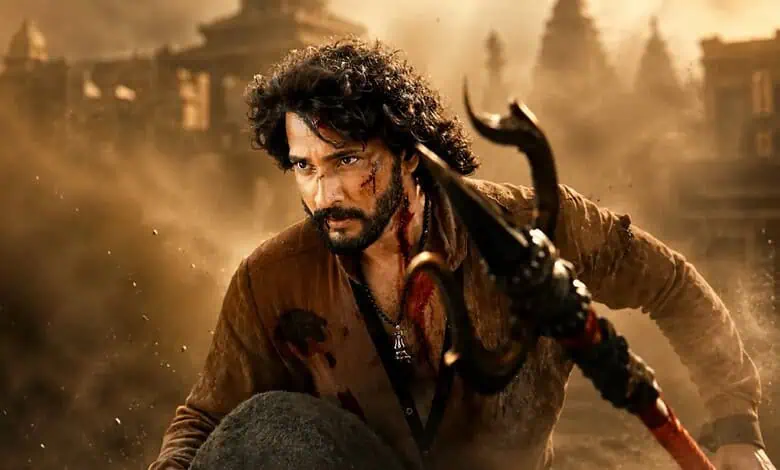
వారణాసి రాజమౌళి గారి అత్యంత ప్రతిష్ఠాత్మక ప్రాజెక్ట్. ఆయన చాలాసార్లు చెప్పారు, తన పాత సినిమాల ఫలితాలు తన తరువాతి సినిమాను ప్రభావితం చేయవని. ఆర్ఆర్ఆర్కు వచ్చిన ప్రపంచ గుర్తింపు దాదాపు యాదృచ్ఛికం. ఈసారి ఆయనకు ప్రపంచ స్థాయిలో తనను తాను నిరూపించుకోవాలి.
ఈ సినిమా స్కేల్, స్కోప్ మాటల్లో చెప్పలేనని ఆయనే అన్నారు. టీజర్లో కనిపించిన ప్రతి బొమ్మా చూడండి. హనుమ, కుంభకర్ణుడు, వానర సైన్యం మీద రాముడు, ఛిన్నమస్త దేవి, కిలిమంజారో, అంబోసెలి, రాస్ మంచు ఫలకం. ఇవేవీ సాధారణ సినిమా ఫ్రేమ్లో ఇమడవు. అందుకే ఆయన ఐమాక్స్కు వెళ్ళాడు, ఊరికే కాదు. కథలో ఎంత లోతు, ఎంత విస్తృతి ఉంటే అంత నిర్ణయం. అది ఎంత పెద్ద నిర్ణయమో జనాలకు ఇంకా అర్థం కావడం లేదు.
ఐమాక్స్ 1.43:1. ఆ ఫార్మాట్లో తీసిన మొదటి భారతీయ సినిమా. ఆ ఫ్రేమ్లో ఒక్క మనిషి ముఖం తెర మొత్తాన్ని నింపుతుంది. ఒక్క క్షణం ఆగండి. 2003 నుంచి మహేష్ ముఖమే సీన్ మొత్తం. కబడ్డీ కోర్టు కట్. నందు అర క్షణపు పగులు. పండు నిశ్శబ్దం. గౌతమ్ అనుమానపు కళ్ళు. రిషి ఒంటరి గాజు గది. ఇప్పుడు రాజమౌళి గారు ఆ ముఖాన్ని రుద్రగా, ఐమాక్స్ తెర నిండా తీయబోతున్నారు. 2003లో స్వామి హాల్లో ఆ ముఖం ఒక సీన్ను నింపింది. ఇప్పుడు అది ప్రపంచంలోనే అతిపెద్ద తెరను నింపబోతోంది.
ఒక కథకుడిగా రాజమౌళి గారి అత్యుత్తమ సినిమా బాహుబలో ఆర్ఆర్ఆరో కాదని నా అభిప్రాయం. అవి పూర్తి భావోద్వేగ ప్రయాణాలు. కథ చెప్పే విద్యలో ఆయన అత్యుత్తమ సినిమా ఈగ. ఒక మనిషి, ఒక ఈగ, ఒకే ఫ్రేమ్లో. అంత సంక్లిష్టమైన సీజీఐ, అంత స్కేల్, పూర్తిగా కుదిరింది. బాహుబలిలో కూడా ప్రయత్నించారు, కానీ అంతలా సింక్ కాలేదు. వారణాసి దాని తరువాతి కోణం.
రాజమౌళి గారి తండ్రి, రచయిత విజయేంద్ర ప్రసాద్ గారు ఏమన్నారంటే.
ఈ సినిమాలో ఒక యాక్షన్ ఘట్టం ముప్పై నిమిషాలు ఉంది. సీజీఐ లేదు, రీ-రికార్డింగ్ లేదు. అలా చూస్తూ ఉండిపోయాను, మహేష్ బాబు విశ్వరూపాన్ని.
ఆ మాటల్లోనే మనకు అర్థం కావాలి.
ఇక ఆ నంది మీద వచ్చిన షాట్. చివరి పది సెకన్లలో ఆ ముఖం మీద ఉన్న సూక్ష్మ వివరాలు. చాలామంది అంటున్నారు, తలకు నల్లటి మాస్క్ వేసి యానిమేట్ చేశారని. అవును, హాలీవుడ్ సినిమాలు, ఆటలు అలా చేస్తాయి. కానీ నాకెందుకో అది నిజంగా తీసిన షాట్ లాగే అనిపిస్తుంది, దాదాపు ఆరు వేల ఫ్రేమ్ల వేగంతో. ఎందుకంటే ఆ కార్యక్రమంలో సీజీఐ దర్శకుడు ఒక్క మహేష్ షాట్ తప్ప మిగతాదంతా సీజీఐ అన్నాడు. నంది యానిమేటెడ్ కావచ్చు, కానీ ఒక ముఖం మీద ఆ స్థాయి వివరాలతో కెమెరా పాన్, యాంగిల్, అది యానిమేట్ చేయడం మనిషికి సాధ్యం కాదు. ఒక్క షాట్లోనే అంత వివరం ఉంటే, మొత్తం సినిమా ఎంత ఉంటుందో.
సినిమా 2027 వేసవిలో. నా తలలో అప్పుడే గడియారం మొదలైంది.
ప్రపంచం ఇంకా సిద్ధంగా లేదు
ఎంత చెత్త కెమెరామన్ ఫ్రేమ్ పెట్టినా మహేష్ దాన్ని దాటి మెరుస్తాడు. అలాంటిది రాజమౌళి గారి కెమెరాలో మహేష్ అంటే, అది దేవుళ్ళను చూడటం లాంటిది.
ఈ తరంలో చాలామంది అభద్రతతో ఒకరినొకరు చూసుకుని చేతులు కాల్చుకుంటున్నారు. మహేష్, రాజమౌళి గారు ఎప్పుడూ అలా చేయలేదు. మన తెలుగు సినిమా ప్రపంచం చూడాలని గట్టిగా నమ్మారు, ఆ నమ్మకంతోనే చూపిస్తున్నారు.
ప్రపంచం ఇంకా రాజమౌళికి, మహేష్కు, తెలుగు సినిమాకు సిద్ధంగా లేదు.
ఒక కోరిక
ఆ ఎనిమిదేళ్ళ పిల్లాడు ఇప్పుడు ఆ ఏప్రిల్ ఆట నుంచి చాలా దూరం వచ్చేశాడు. అన్నయ్య, బావ వేరే ఊళ్ళలో ఉన్నారు. కానీ ఆ సినిమా, ఆ డైలాగ్, ఆ ఊపిరి కట్, మా ముగ్గురిలో ఏదో రూపంలో అలాగే ఉన్నాయి.
ఆయన నటన ఎప్పుడూ చూడనివాళ్ళకు నా మాట ఇది. ముందు అతడు. తరువాత 1 నేనొక్కడినే, ఆపై ఖలేజా, నాని. మహర్షితో కాసేపు కూర్చోండి. ఒక్కడు చివర్లో చూడండి, ఎందుకంటే అంతా మొదలైంది అక్కడే.
ఆస్కార్ వస్తేనే ఆయన గొప్పతనం నాకు తెలియాల్సిన పని లేదు. ప్రపంచం ఆయన సీన్లో రెండు నిమిషాలు కూర్చుని తనంతట తానే తెలుసుకుంటే చాలు. అది జరిపించే సినిమా వారణాసి అయితే, అంతకన్నా ఏం కావాలి.
ఆయన కబడ్డీ ఆడటానికే వచ్చాడు. కానీ ఆట గ్రౌండ్లో లేదని ఆయనకు ముందే తెలుసు.
వారణాసి మహేష్ టు ది వరల్డ్.
మహేష్ సర్, ధన్యవాదాలు.
2003 నుంచి ఒక అభిమాని